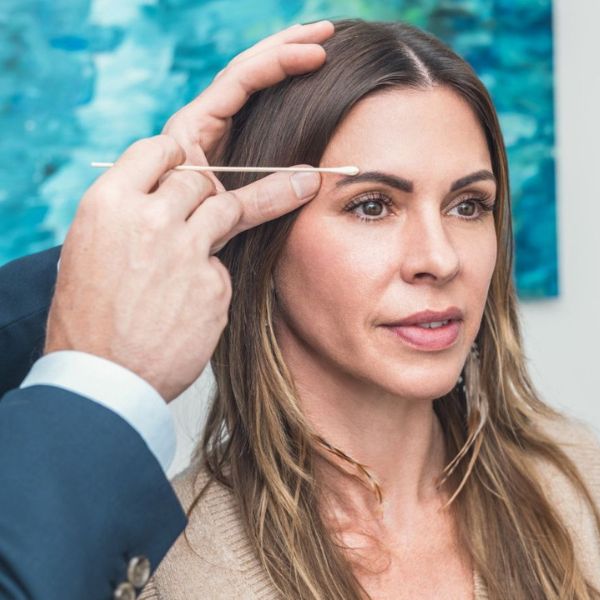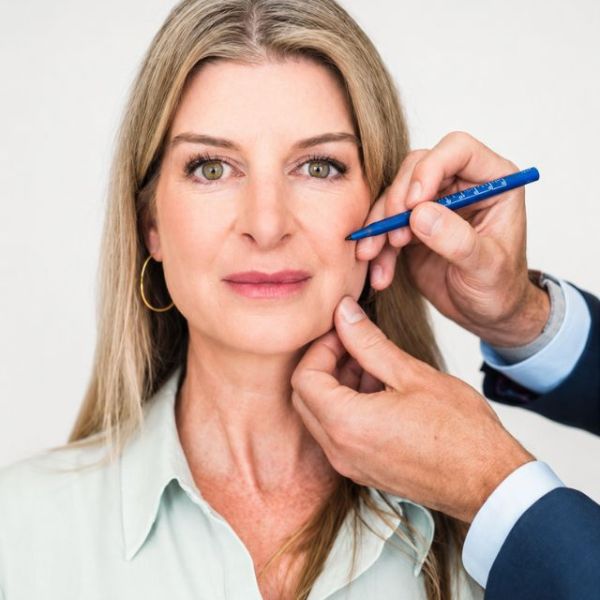
The position of a brow lift incision affects both how much the eyebrows are raised and where the scars end up. Because every forehead is built differently, no single method is right for every patient. An informed look at brow lift techniques and their scar locations can help you decide which method may suit you …
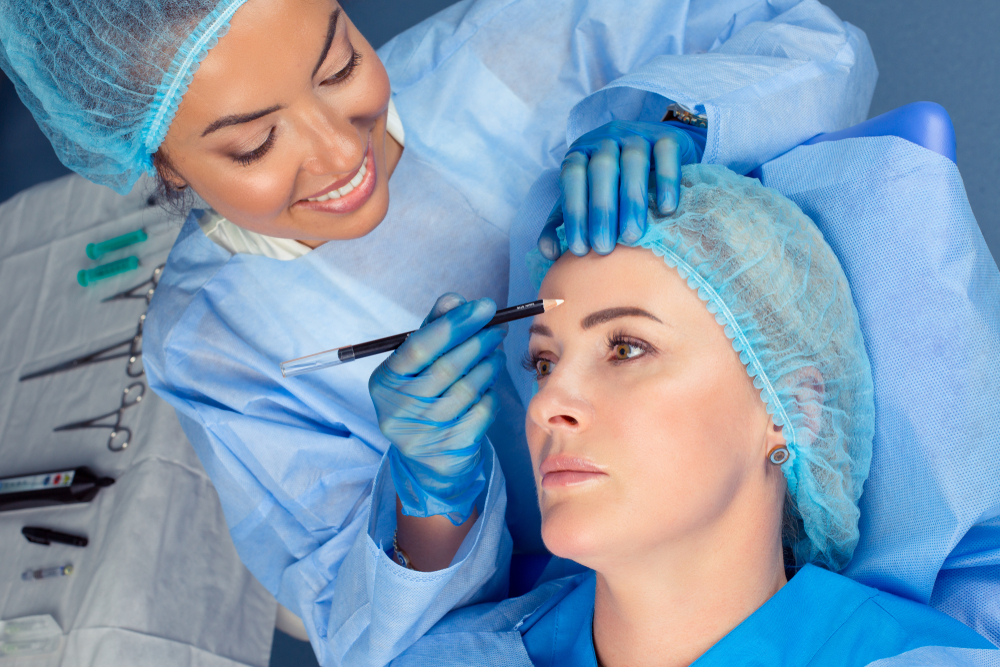
The position of a brow lift incision affects both how much the eyebrows are raised and where the scars end up. Because every forehead is built differently, no single method is right for every patient.
An informed look at brow lift techniques and their scar locations can help you decide which method may suit you best.
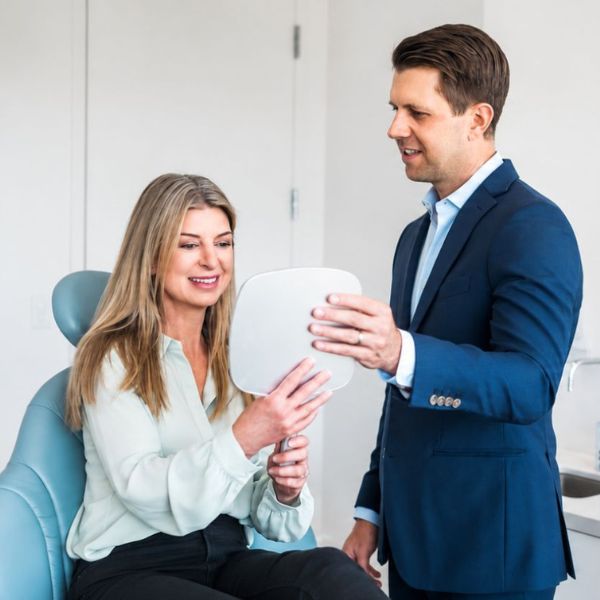
At Capital Facial Plastic Surgery in Chevy Chase, MD, brow lift surgery is one of the most common procedures Dr. Adam Singleton performs.
Why Brow Lift Techniques Vary
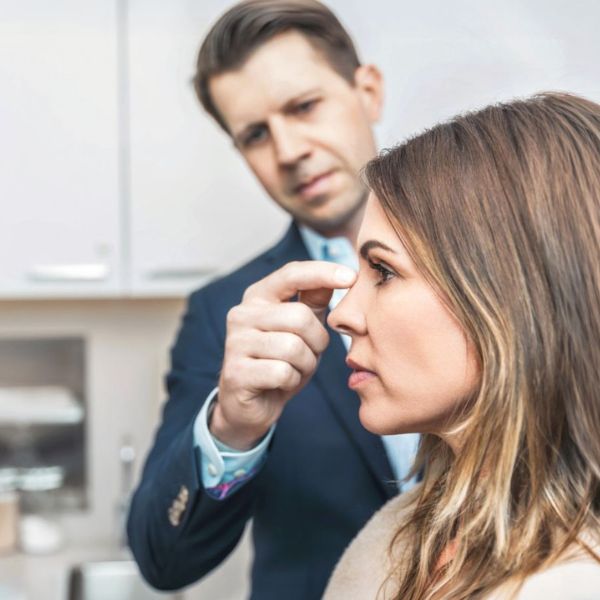
Each person has a unique hairline, eyebrow shape, skin type, and degree of sagging. Some people have very high hairlines, while others have low ones.
Planning around future hair loss is also important for men. Incisions are placed in areas where they will stay hidden for many years to come.
The Endoscopic Approach
An endoscopic forehead lift uses a series of short incisions behind the hairline. Through them, the surgeon inserts a tiny camera and long, thin instruments to lift the forehead tissues.
This is one of the methods Dr. Singleton uses most often. It generally causes less scalp numbness and has a shorter recovery period than open methods.
Lifting at the Temples
The temporal approach uses incisions hidden in the hair at the temples. It is particularly good at raising the tail of the eyebrow and opening up hooded upper eyelids.
For many patients, a temporal brow lift is paired with an eyelid lift to get the most from their facial rejuvenation.
The Coronal Incision
The coronal approach uses a single long incision across the top of the head, behind the hairline. It gives the surgeon direct access to the entire forehead and the most flexibility to reposition its tissues.
This method may move the hairline back slightly, and scalp numbness is more common. It is generally recommended for people with low hairlines and very heavy eyebrows.
What About Hairline Incisions?
Many patients with a tall forehead are better candidates for an incision placed right at the hairline. Dr. Singleton is extensively trained in the trichophytic technique, which lets hair grow through the scar so it is very hard to see.
This method can raise the eyebrows without making a tall forehead look even longer. Dr. Singleton can determine whether it is a good option for you at your consultation.
Which Brow Lift Techniques Fit You?
Each approach has its advantages and suits certain patients. Here is a quick comparison to help you understand which may be best for you.
- Endoscopic. Small hidden incisions for moderate sagging.
- Temporal. Targets drooping outer eyebrows and hooded eyes.
- Coronal. Suits people with a low hairline and heavy eyebrows.
- Hairline. Lifts the eyebrows without making the forehead look longer.
What Recovery Looks Like
Many brow lifts are performed with local anesthesia and IV sedation at an offsite surgical facility. Some cases require general anesthesia, especially when other procedures are done at the same time.
Recovery varies from patient to patient and among brow lift techniques. Most people are away from work for one to two weeks and return to full exercise in three to four weeks.
Meet Dr. Singleton
Dr. Singleton is double board certified in facial plastic and reconstructive surgery and in ear, nose, and throat surgery.
He completed his fellowship at The Maas Clinic in San Francisco after his residency at the University of Tennessee.
The amount of sagging also helps decide whether you need a brow lift at all. Some patients with mild changes may start with Botox before considering surgery.
Find Your Best Option and Book a Brow Lift Consultation With Our Office Today
Dr. Singleton never pressures patients toward surgery when other options may serve them well. Contact Capital Facial Plastic Surgery online or call our office at 240-630-8175 to schedule a consultation with Dr. Adam Singleton and discuss your options.
Meet Your Surgeon: Adam E. Singleton, M.D.
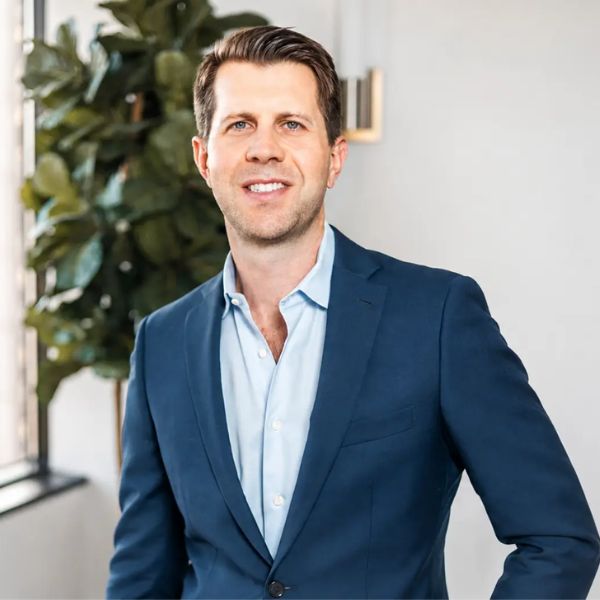
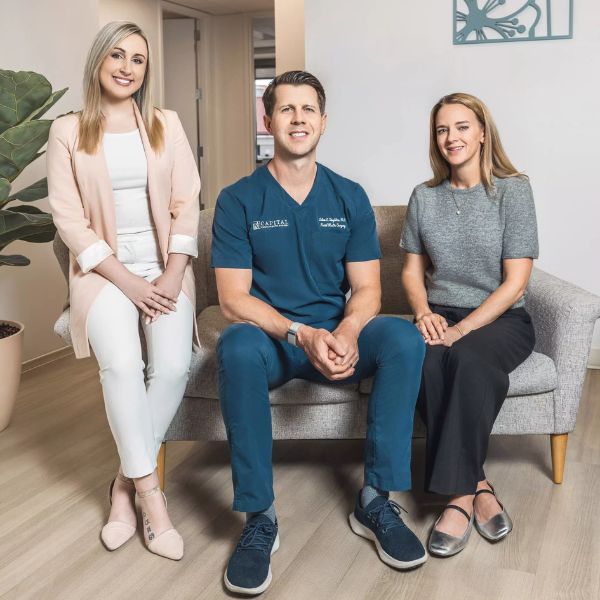
Dr. Adam Singleton is a double board-certified, fellowship-trained facial plastic and reconstructive surgeon serving patients throughout Chevy Chase, Bethesda, and the Washington, D.C. area at Capital Facial Plastic Surgery. Raised locally in Montgomery County, Dr. Singleton personally evaluates and performs every surgical procedure, laser therapy, and injectable treatment himself to ensure absolute continuity of care and natural-looking results.
Elite Surgical Training & Education
- Undergraduate & Graduate Studies: B.A. from the University of Colorado at Boulder; Master’s Degree in Biophysiology from Georgetown University.
- Medical School: The George Washington University School of Medicine.
- Residency: Head and Neck Surgery residency at the University of Tennessee Health Science Center.
- Specialized Fellowship: Completed an elite, highly competitive facial plastic surgery fellowship at The Maas Clinic in San Francisco, California under renowned facial plastic surgeon Dr. Corey S. Maas.
Surgical Artistry & Comprehensive Rejuvenation
Dr. Singleton specializes exclusively in cosmetic and reconstructive procedures of the face, head, and neck:
- Non-Surgical Aesthetics: Precision injectables (Botox®, Dysport®, dermal fillers), RF microneedling (FaceTite/AccuTite), and advanced laser skin resurfacing.
- Facial Plastic Surgery: Deep plane facelifts, mini-facelifts, blepharoplasty (eyelid lifts), brow lifts, and neck lift procedures.
- Rhinoplasty Excellence: Primary rhinoplasty, revision rhinoplasty, and ethnic rhinoplasty tailored to harmonious facial balance.